East Village Guide: Where Counterculture Meets Everyday Life
The East Village remains one of the city’s most magnetic neighborhoods, where a layered history of counterculture, music, and grassroots activism blends with lively dining, independent shops, and leafy public spaces. Whether you’re visiting for an afternoon or scouting a place to live, the neighborhood rewards slow exploration.
What to see and do
– St. Mark’s Place: This pedestrian-friendly strip is the neighborhood’s social spine — full of eclectic storefronts, street vendors, and people-watching. It’s ideal for window-shopping and sampling a wide range of cuisines from quick bites to sit-down meals.
– Tompkins Square Park: A central green with a popular dog run, play areas, and community events. The park’s benches and lawns make it a favored spot for reading, picnics, and local gatherings.
– Community gardens and art spaces: Scattered between avenues are small, volunteer-run gardens and independent galleries that reflect the area’s DIY spirit. These micro-oases often host pop-ups, workshops, and outdoor performances.
– Vintage and independent retail: Expect curated vintage stores, indie bookstores, and specialty shops selling vinyl, handmade goods, and niche fashion. Retail tends to favor unique finds over big-box chains.
– Nightlife and live music: The East Village excels at intimate nightlife — think small music venues, craft cocktail bars, and late-night cafes where the energy stays high well into the evening.
Dining scene
Dining here is a study in contrasts: nostalgic delis and no-frills eateries sit beside creative restaurants and modern bakeries.
International flavors are abundant — from casual noodle shops and izakayas to Eastern European and vegan-focused kitchens. For a relaxed evening, opt for a low-lit cocktail bar or a neighborhood tavern with outdoor seating.
Living in the neighborhood
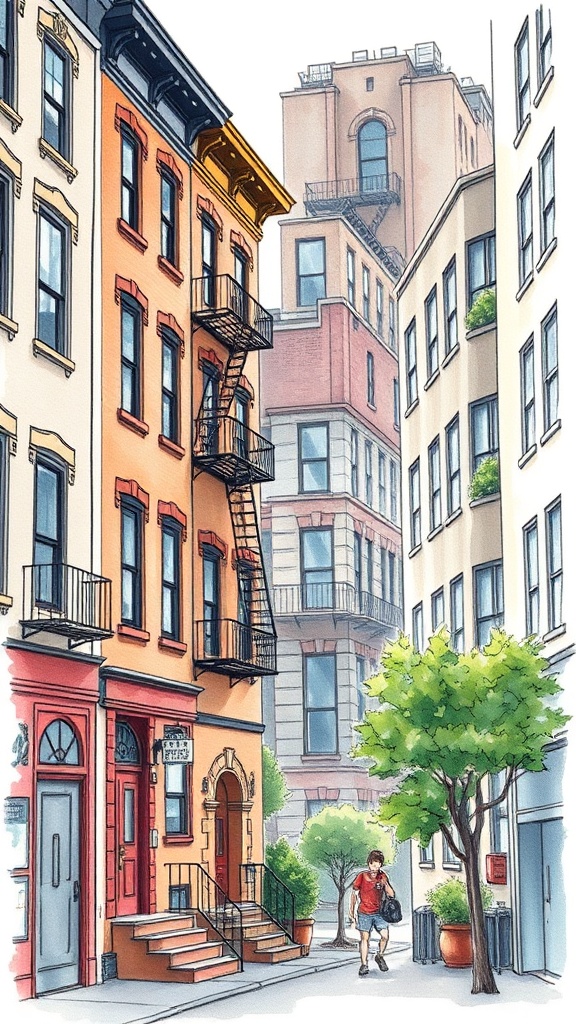
Housing mixes prewar tenement buildings, walk-ups, and newer condo developments. The neighborhood’s density and walkability are major draws. For renters and buyers, it’s sensible to prioritize proximity to transit and local amenities; being a few blocks from a major station can make a daily commute noticeably easier. Connecting with a local broker or tenant advocacy group helps when navigating listings and lease terms.
Getting around
The East Village is best explored on foot — many streets are narrow and lively, and new discoveries happen along side streets.
Multiple transit lines and bus routes connect the neighborhood to surrounding areas and major hubs, making it easy to reach by public transport. Bike lanes and bike-share stations are common, and most streets offer plentiful ride-share access.
Safety and neighborhood etiquette
The East Village is generally lively and safe, especially in main commercial corridors and park areas. Standard urban caution applies: keep valuables secure, stay aware of surroundings at night, and be mindful of local nightlife activity. Respect community spaces and private properties—many local institutions are run by volunteers and benefit from resident support.
Tips for visitors
– Go off the main avenues to find neighborhood gems: a quiet garden, an artisanal bakery, or a tiny live-music venue.
– Make reservations for popular restaurants, especially on weekends.
– Bring cash for small vendors and neighborhood markets; many still operate cash-first.
– Visit a weekday afternoon if you prefer a quieter experience.
The East Village keeps reinventing itself while holding onto a distinct community character. Its combination of cultural depth, compact scale, and ever-changing food and retail scenes make it a neighborhood that invites repeated visits and rewards curiosity.